14
Mar
Dually eligible individuals must navigate two separate programs: Dual eligibles are individuals who are eligible for both medicare and medicaid.
Who are dual eligibles. There are two subsets to this population: Eighteen percent of dually eligible individuals report that they have “poor” health status, compared to six percent of other medicare beneficiaries. In 2013, they represented 20% of all medicare beneficiaries and 15% of all medicaid beneficiaries, but incurred 34% of total medicare spending and 32% of total medicaid spending (medpac & macpac, 2018).
Dually eligible individuals must navigate two separate programs: Medicare monthly premiums for part a, part b, or both; So this is a population that’s older, sicker, and has more minority representation, and therefore really needs some.
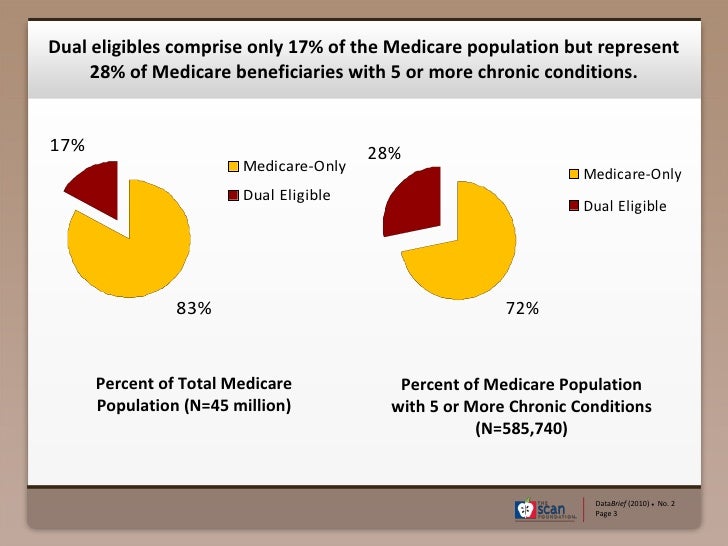
Percent have multiple chronic conditions. Dual eligibles are members who are eligible for coverage from medicare (either medicare part a, part b, or both) and wisconsin medicaid or badgercare plus. Full benefit and partial benefit.
That is the assessment of the alliance for health policy, a nonprofit policy research group. So they were more likely to be hispanic and black. Only 1 in 10 people who are dual eligible for medicare and medicaid are getting the benefits of both programs.
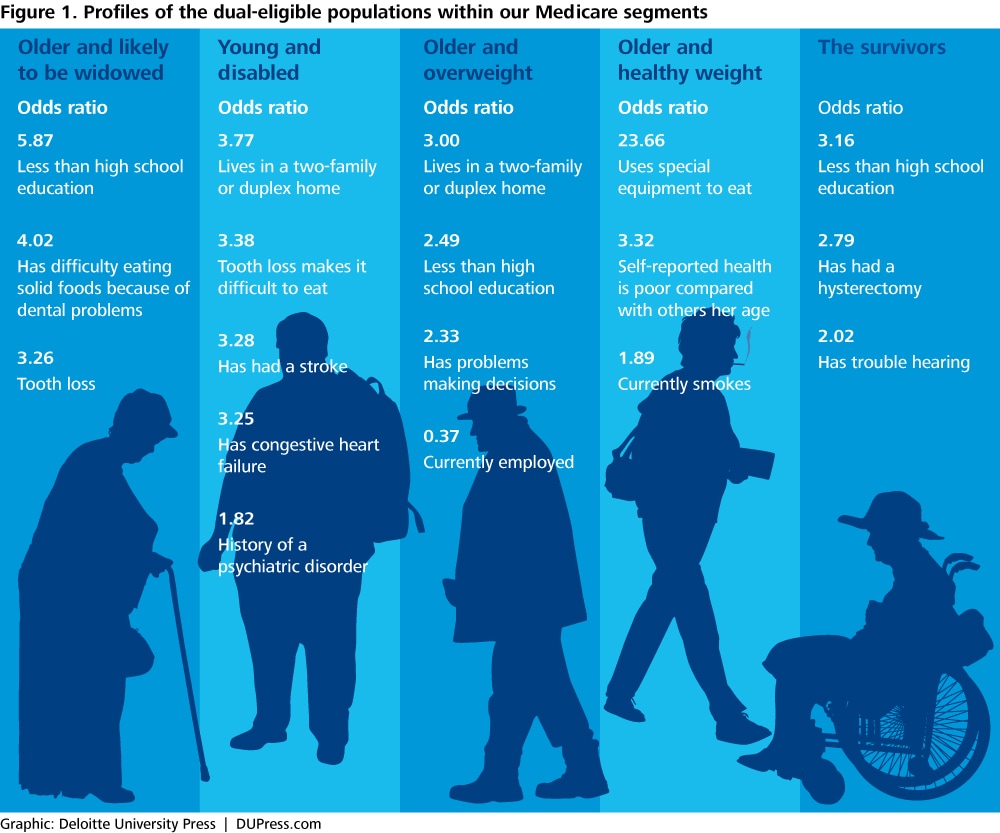
Dig deeper medicare advantage dual. Far from homogeneous, dual eligibles are a. Often referred to as “dual eligibles,” these individuals are among the disabled, most chronically ill, and costly in either program.
More than 12 million people in the united states, most with complex health and social needs, are eligible for both medicare and medicaid,. And they had statistically significantly more chronic conditions. Dual eligibles may receive coverage for the following:
The project, also known as the demonstration, tests an innovative payment and service delivery. Dual eligibles are individuals who are eligible for both medicare and medicaid. So we actually found that dual eligibles in medicare advantage were much older, much less likely to be white.
Dual eligibles face ongoing challenges related to part d. They fall into two primary eligibility categories: Dual eligible beneficiaries are the most vulnerable in our community.
Both populations face an array of challenges to receipt of quality and timely healthcare. Dual eligibles are a high need and high cost population. Dual eligibles for medicare and medicaid have higher levels of chronic pain and use prescription opioids to treat pain more often than those eligible for medicare only, putting them at a higher risk for opioid misuse or addiction.
Dual eligibles account for a disproportionately large share of medicare and medicaid spending. Dual eligibles enjoy certain benefits as a result of their dual status, but the delivery of their healthcare also presents challenges.
Previous post
Who can get lap band surgeryNext post
White wilson fort walton beach