
14
Mar
Stress and atrial fibrillation often go together. Few studies report that pneumonia can trigger the new onset of af even before it causes sepsis and acute respiratory failure.
What triggers atrial fibrillation. Angiotensin ii (ang ii) and reactive oxygen species (ros) are validated risk factors for atrial fibrillation (af. What can trigger atrial fibrillation? If you have resolved atrial fibrillation, then your doctor may still prescribe medications to limit your risk of having a stroke.
Few studies report that pneumonia can trigger the new onset of af even before it causes sepsis and acute respiratory failure. However, the answer to fatigue is not a few strong cups of coffee or. We aimed to characterize the atrial substrate, including af triggers in.
Hindawi�s academic journals cover a wide range of disciplines. These foods include high sugar foods, caffeine, alcohol, food high in sodium, tyramine, gluten, grapefruit, cranberry juice, asparagus, and green leafy vegetables. Holidays are often a trigger as well, because they typically include two triggers:
Listing a study does not mean it has been evaluated by. Some of the most common triggers for afib include: Drinking alcohol was associated with more atrial fibrillation episodes than when patients avoided that trigger.
Atrial fibrillation is an irregular, rapid heartbeat. Ad publish your review or research paper with international journal of vascular medicine. Stress and atrial fibrillation often go together.
“atrial fibrillation usually results from an overlap of genetic predisposition and environmental factors,” says karen aspry, md, director of the lipid and prevention program at. Another risk factor, yet under scientific scrutiny, is hiatal hernia. Common risk factors include alcohol abuse, hyperthyroidism, mitral stenosis, hypertension, diabetes mellitus, and coronary artery disease.
Pneumonia may act as a trigger causing the new onset of atrial fibrillation in elderly patients. Atrial fibrillation is a growing public health problem without adequate therapies. Afib causes can be genetic or can be related to overall health issues, including diabetes.
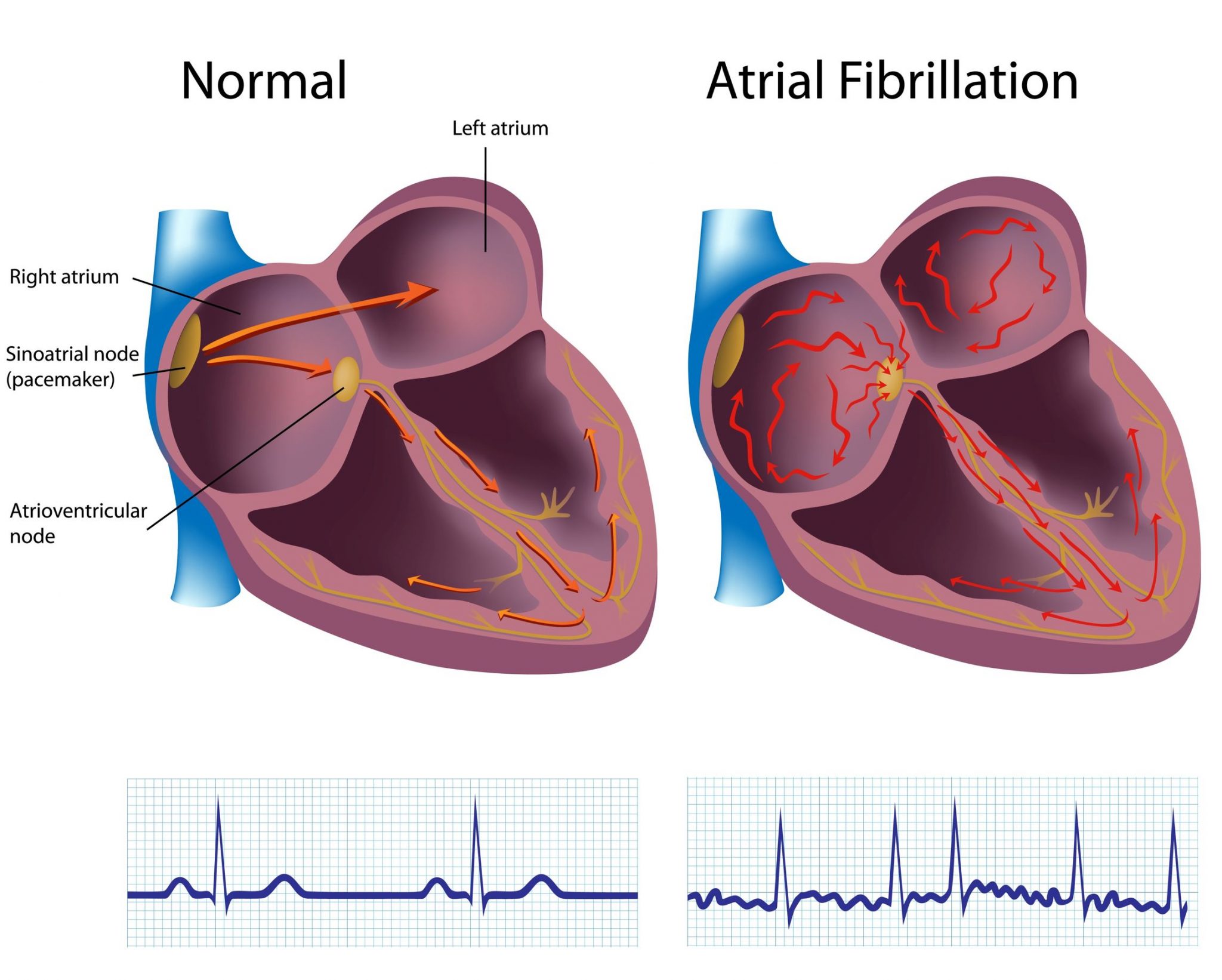
Obstructive sleep apnea (osa) is associated with atrial remodeling, atrial fibrillation (af), and increased incidence of arrhythmia recurrence after pulmonary vein (pv) isolation. In a healthy human heart, the electrical impulses pass through the atria through a contraction. Atrial fibrillation is a commonly encountered clinical entity with various cardiovascular consequences.
What are the triggers of atrial fibrillation? In contrast, caffeine consumption was not linked to an increased risk of afib episodes. Other autonomic imbalance states include stress, anxiety, caffeine, alcohol, emotional stress may also trigger af.
Lack of sleep can cause a host of changes in the body not least of which is triggering an episode of afib. During atrial fibrillation, the heart’s two upper chambers, known as the atria, beat irregularly and out of sync with. Certain situations can trigger an episode of atrial fibrillation, including:
Drinking excessive amounts of alcohol, particularly binge drinking being overweight (read about how to lose weight) During sleep deprivation, the body is under stress and we. Eating certain foods could trigger atrial fibrillation (afib) in some patients.
Atrial fibrillation may be triggered by certain situations or factors. Common activities that can bring on an afib episode include travel and strenuous exercise. Extreme fatigue can be a trigger.
These triggers include acute conditions such as alcohol intoxication, myocardial infarction, and pulmonary embolism. Although autonomic activation is thought to trigger af in most cases, autonomic activation is not commonly triggered by food.
Previous post
What type of insulin is novolog